Understanding Withdrawal
11 one-minute guides to alcohol and opioid withdrawal — written for patients, families, and anyone seeking to understand the detox process.
Safety first: Alcohol withdrawal can become life-threatening. Medical evaluation is the safest starting point. If you have severe symptoms, call 911.
Alcohol Withdrawal — 8 guides

Why You Shouldn't Detox From Alcohol Alone
Key Takeaway
If you drink heavily or regularly and think you may be physically dependent on alcohol, talk with a healthcare professional before suddenly stopping.

What Happens in the First 24 Hours of Alcohol Detox?
Key Takeaway
Alcohol detox is safest when withdrawal risk is assessed before symptoms escalate.
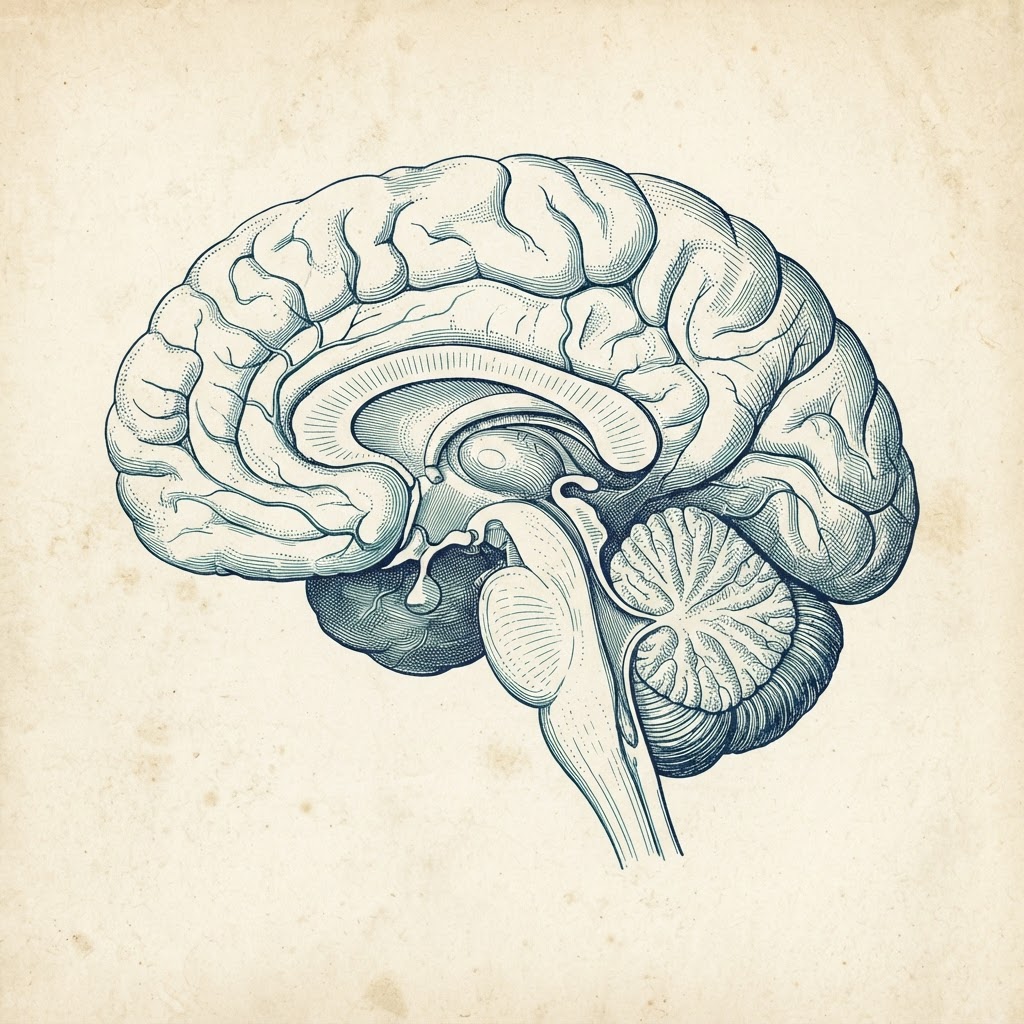
Why Alcohol Withdrawal Can Change Mood, Thinking, and Mental State
Key Takeaway
Mental symptoms during alcohol withdrawal are biological and can become medically serious.
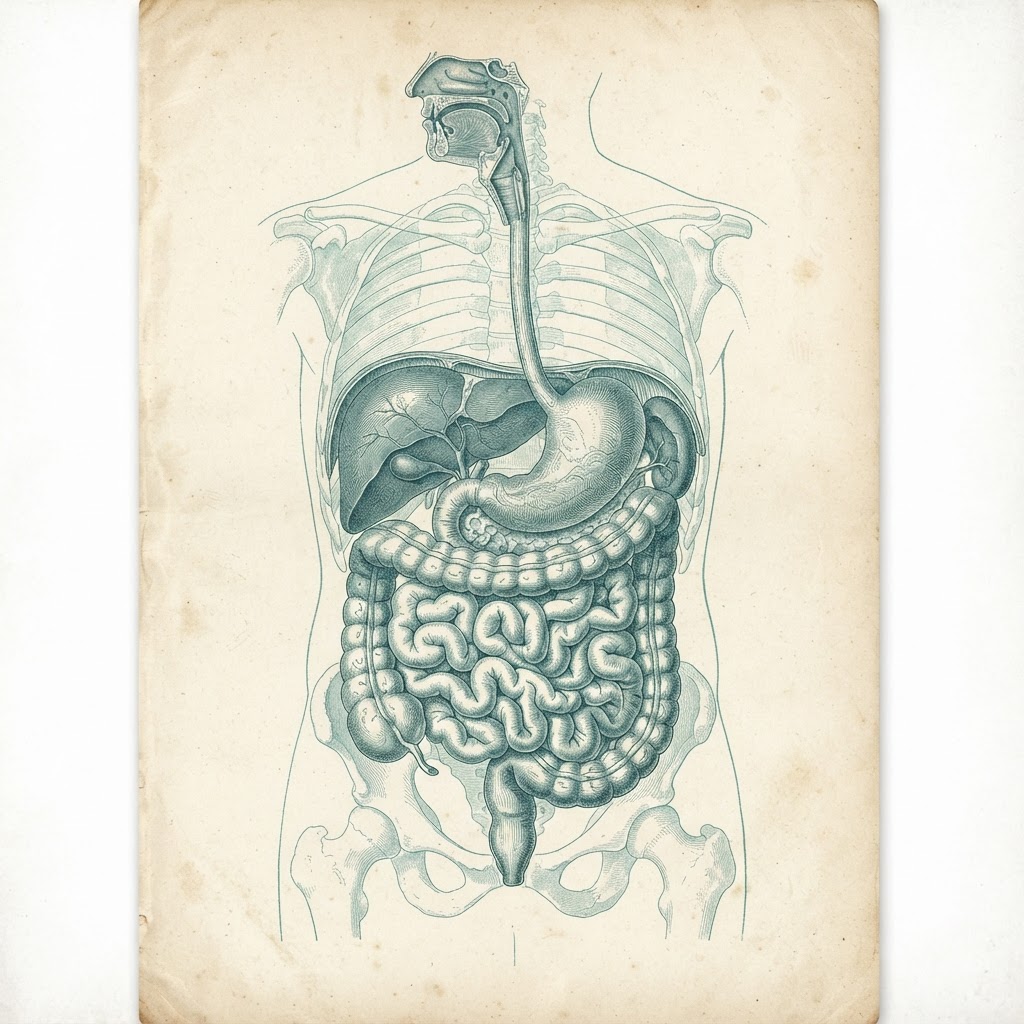
Alcohol Detox and the GI System: Nausea, Appetite, and Hydration
Key Takeaway
GI symptoms can cause dehydration and may also uncover other alcohol-related medical problems.
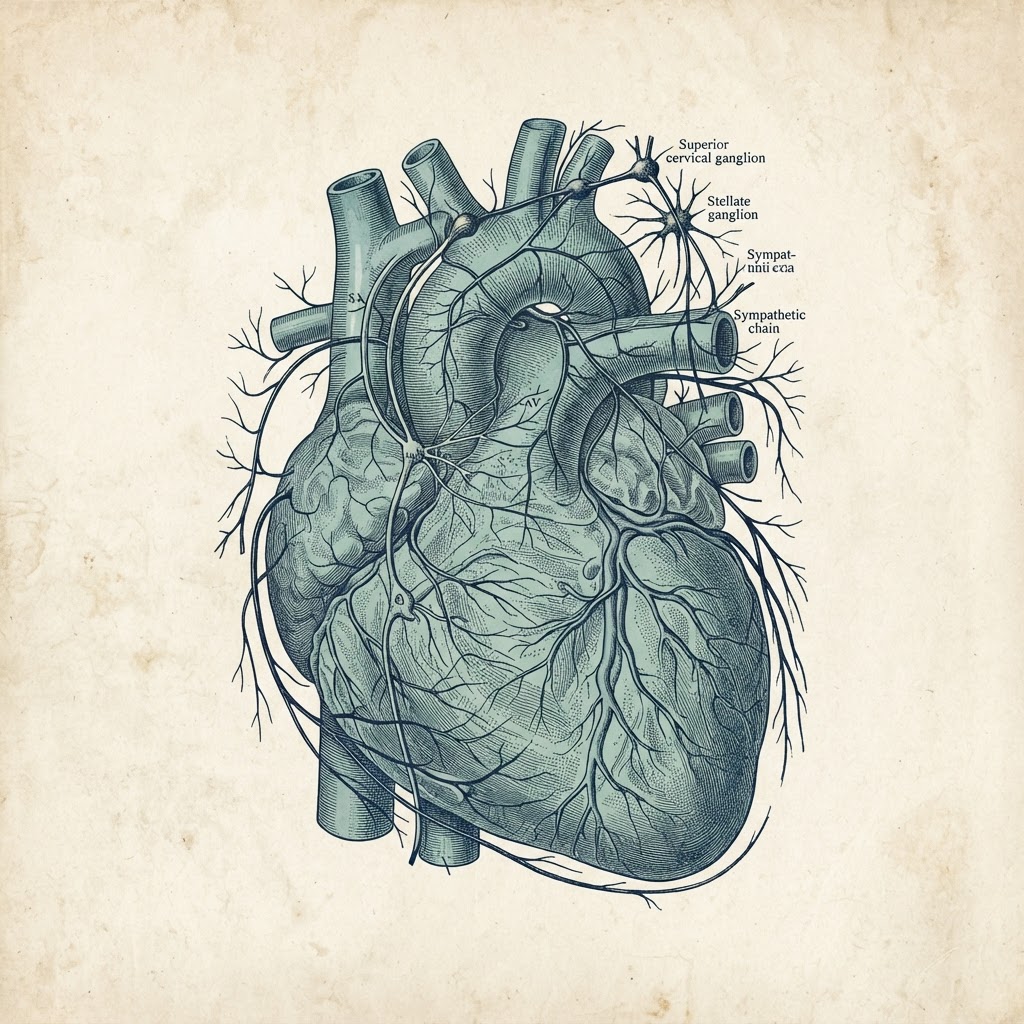
What Alcohol Withdrawal Does to the Heart and Nervous System
Key Takeaway
Vital signs matter during alcohol detox because withdrawal affects the entire nervous and cardiovascular system.
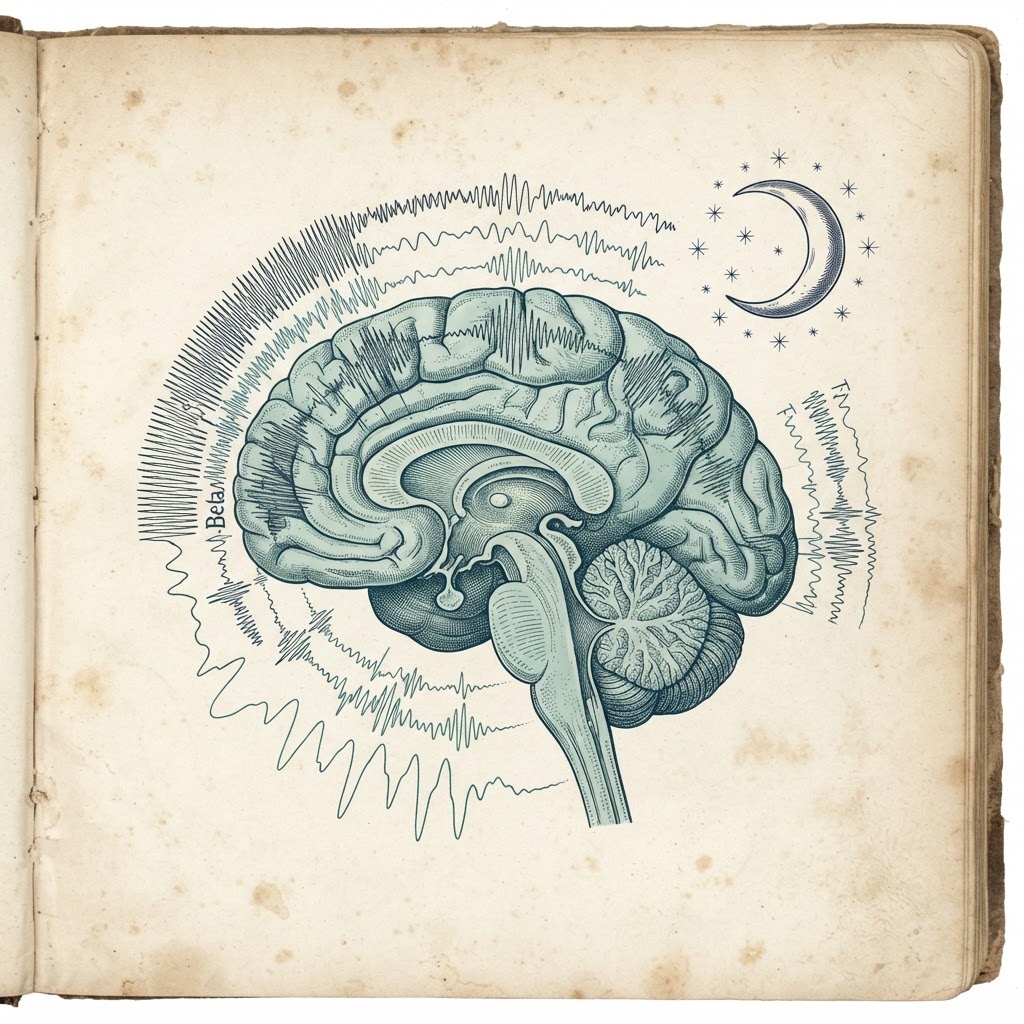
Why Sleep Can Get Worse During Alcohol Detox
Key Takeaway
Temporary insomnia is common, but self-medicating withdrawal with sedatives can create additional danger.

Alcohol Withdrawal Red Flags: When Detox Becomes an Emergency
Key Takeaway
Seizures, hallucinations, and severe confusion during alcohol withdrawal require emergency care.
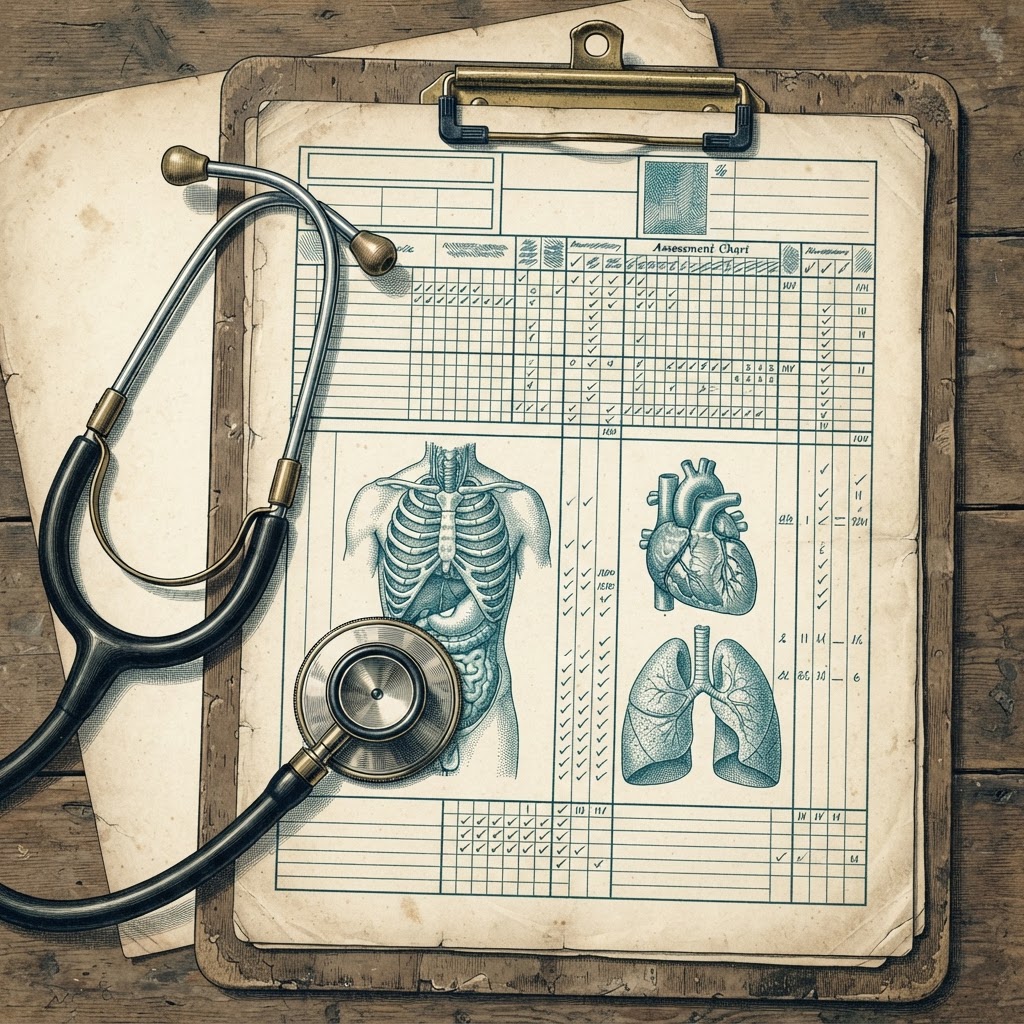
The Safest Way to Start Alcohol Detox
Key Takeaway
The safest detox plan is based on individual withdrawal risk, not a one-size-fits-all schedule.
Opioid Withdrawal — 3 guides
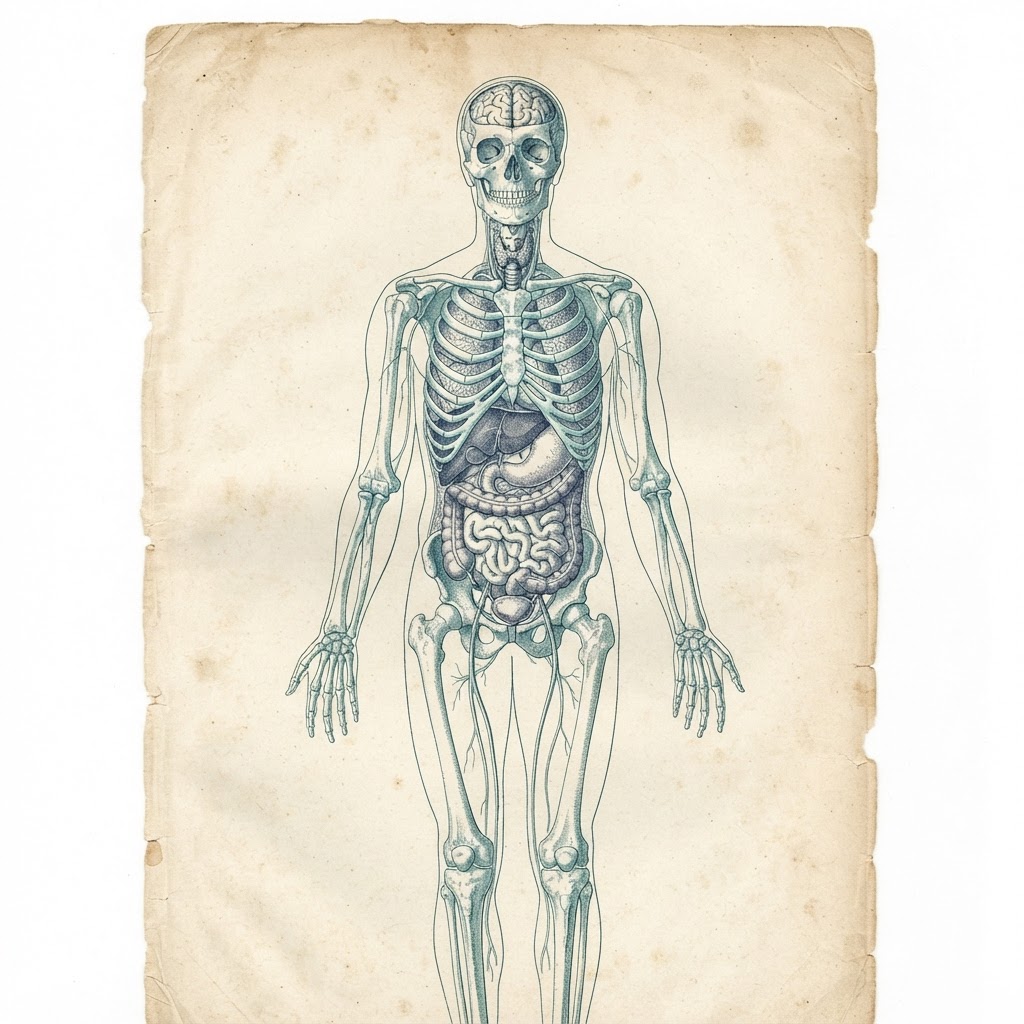
What Happens to the Body During Opioid Withdrawal?
Key Takeaway
Opioid withdrawal is intensely physical, but evidence-based medications can make treatment safer and more tolerable.
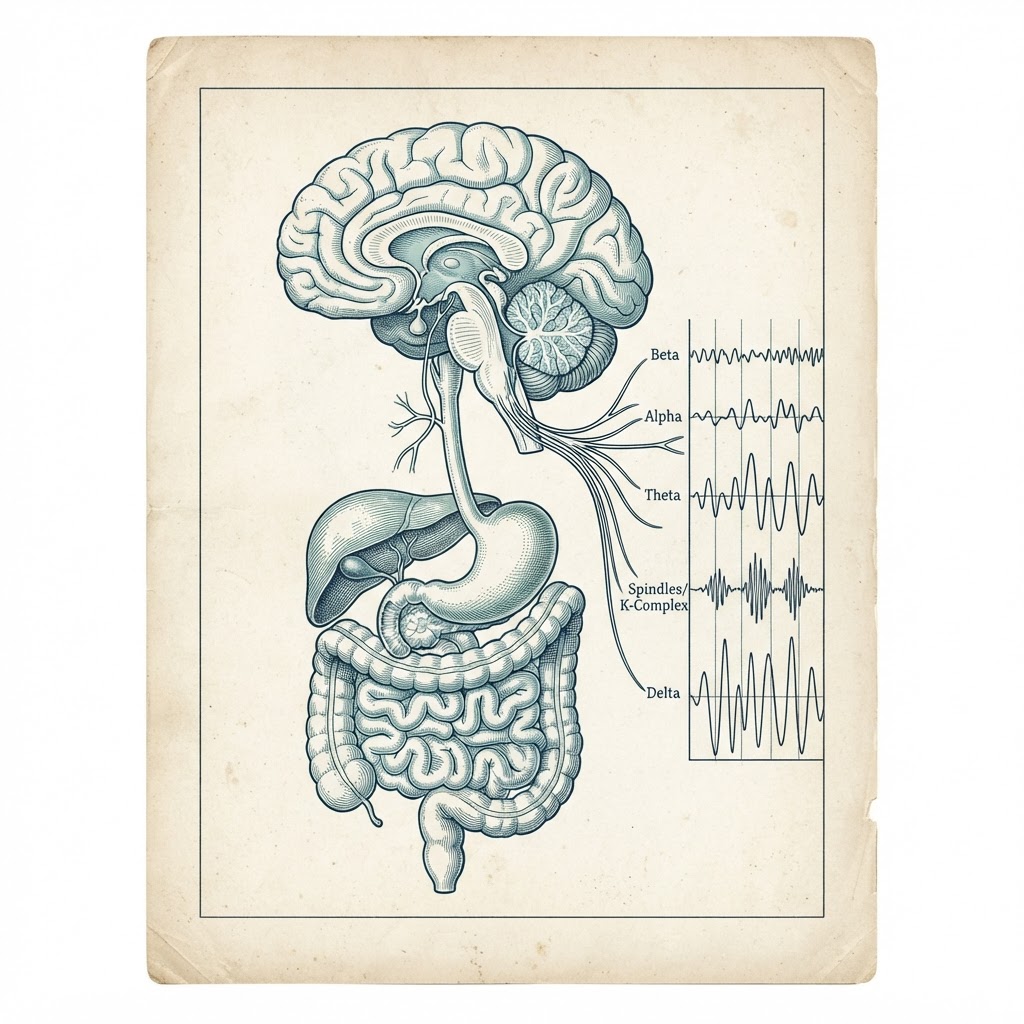
Opioid Withdrawal: What Happens to Mood, Sleep, and the GI System
Key Takeaway
Managing GI symptoms, sleep, cravings, and mental health together is more effective than focusing on symptoms one by one.
Safer Opioid Detox: Why Treatment Should Continue After Withdrawal
Key Takeaway
The period after detox can be especially dangerous because lost tolerance raises overdose risk.
Ready to find detox care near you?
Find Detox CareDetox Access Network is an information, marketplace, and technology platform. Detox Access Network is not a healthcare provider and does not diagnose, prescribe, recommend individual treatment, determine whether home detox is appropriate, or provide medical advice. All listed providers are solely responsible for evaluating patients and providing care. Withdrawal from alcohol and certain drugs can be medically dangerous — seek evaluation by a qualified healthcare provider. Monitoring equipment does not replace professional medical supervision or emergency care.
Sources: NIAAA, SAMHSA, CDC. Educational content only. Not a substitute for medical diagnosis or individualized treatment. Prepared August 2026.